Artist’s impression

Use cases

Where every square meter counts.

Rooftops, dense areas, high latitudes: the three-dimensional relief is designed for sites where every square meter counts. From large industrial surfaces to everyday uses, here is where the SHAVAS geometry makes the biggest difference.

  1. 01Mass production and industryRooftops, solar plants, territories
01 · Mass production and industry

Target markets, from the most constrained to the most open

Seven situations where the energy produced per square meter, or its distribution over the day, changes the equation for a project.

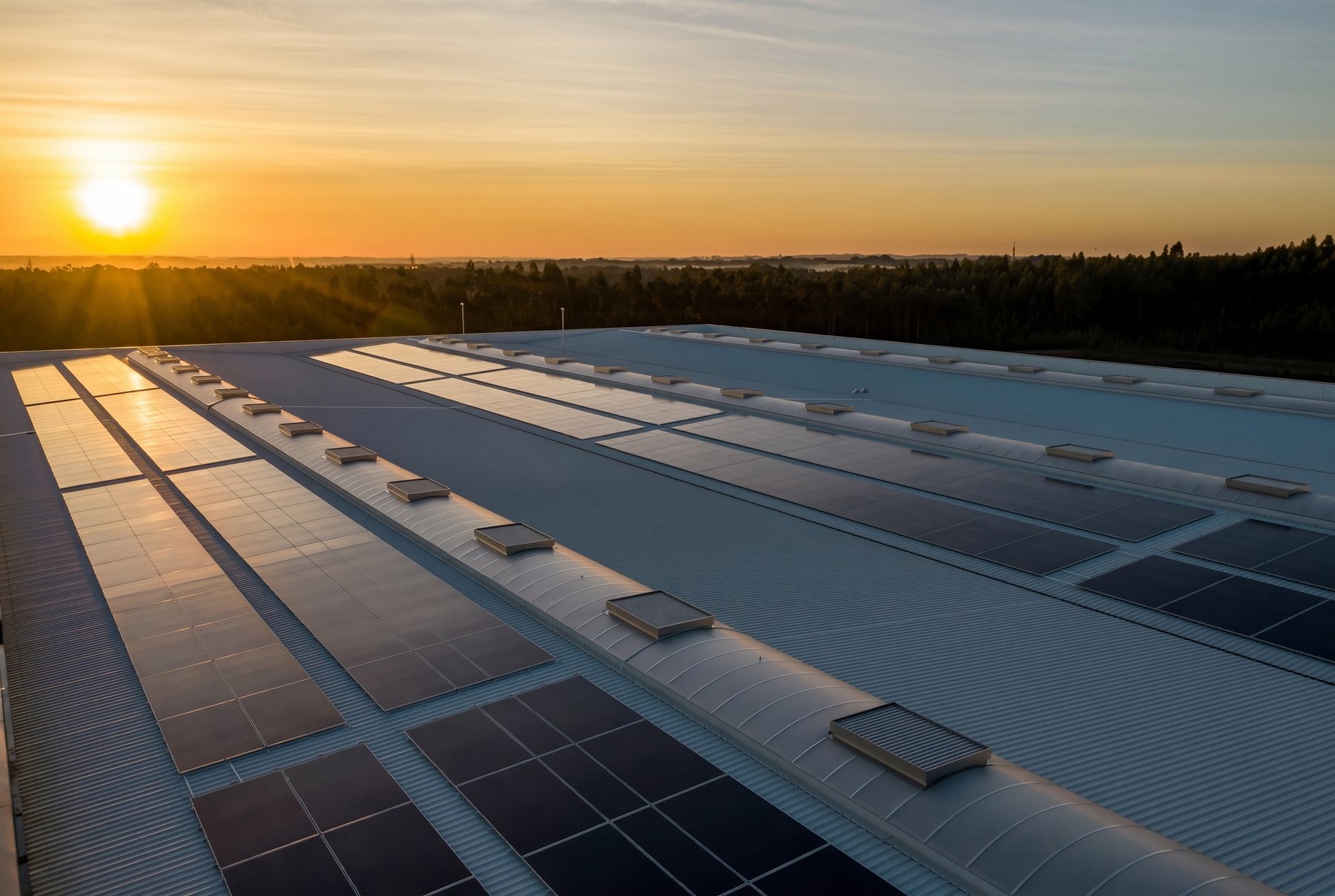
Industrial rooftop covered with solar panels at sunriseMaximum advantageArtist’s impression
01

Industrial and agricultural rooftops

The problem
The surface area is limited by the roof: revenue per square meter determines whether the project goes ahead.
What SHAVAS brings
More energy on the same roof: 1.4 to 1.8 times the energy of a flat module, on the same footprint.
The benefit
Higher revenue per square meter, which can make the project feasible.
Rooftops in a dense city center, including several flat roofs covered with solar panelsMaximum advantageArtist’s impression
02

Urban areas and buildings

The problem
Little available space, expensive land.
What SHAVAS brings
More output on the same footprint.
The benefit
Output spread across the day, better aligned with morning and evening consumption.
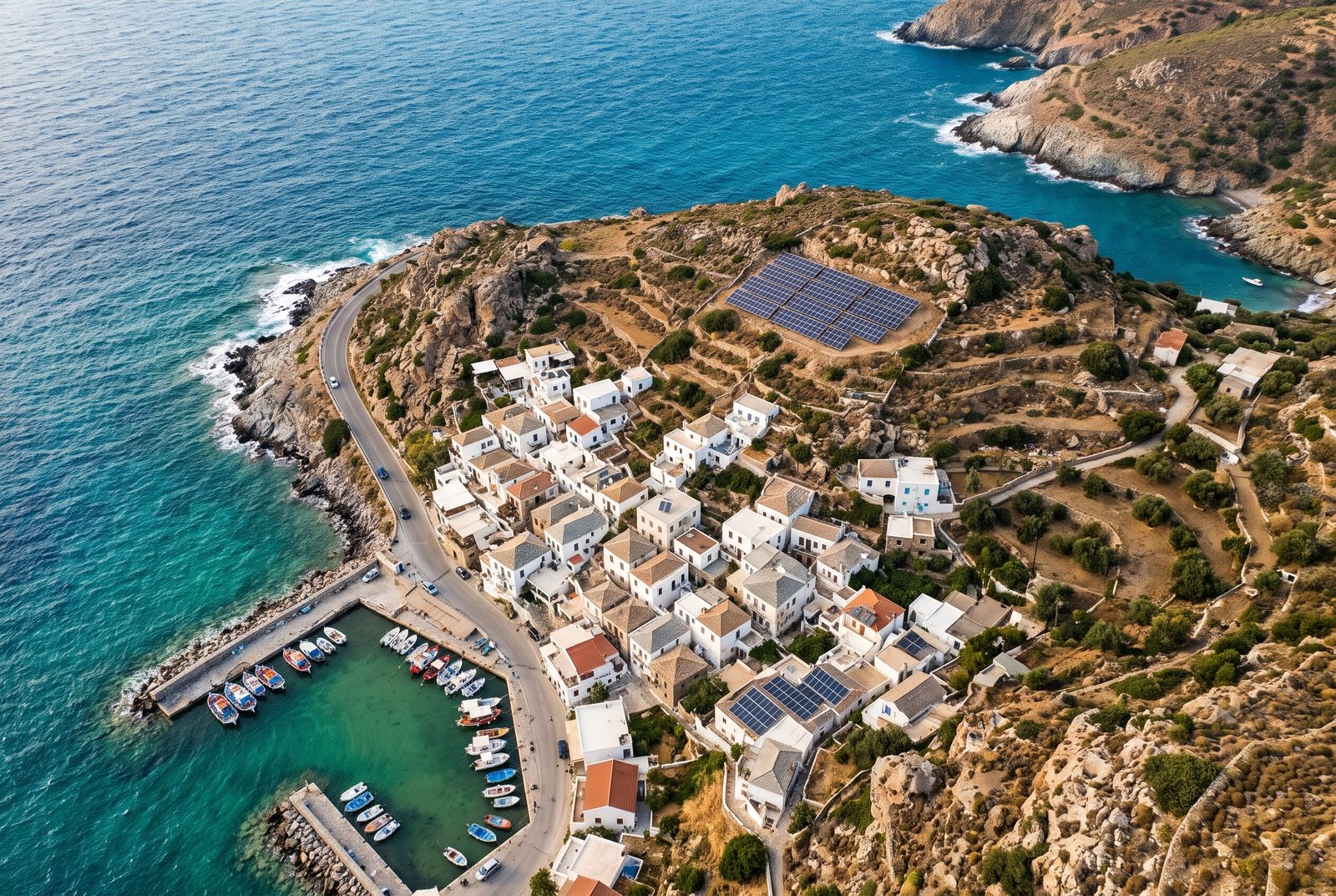
Seaside village on a small island, with a solar installation on a terraced plotMaximum advantageArtist’s impression
03

Islands and isolated territories

The problem
Scarce land, expensive electricity, a constrained grid.
What SHAVAS brings
More energy produced on every available square meter.
The benefit
Output per unit area becomes decisive where space is short and electricity is expensive.
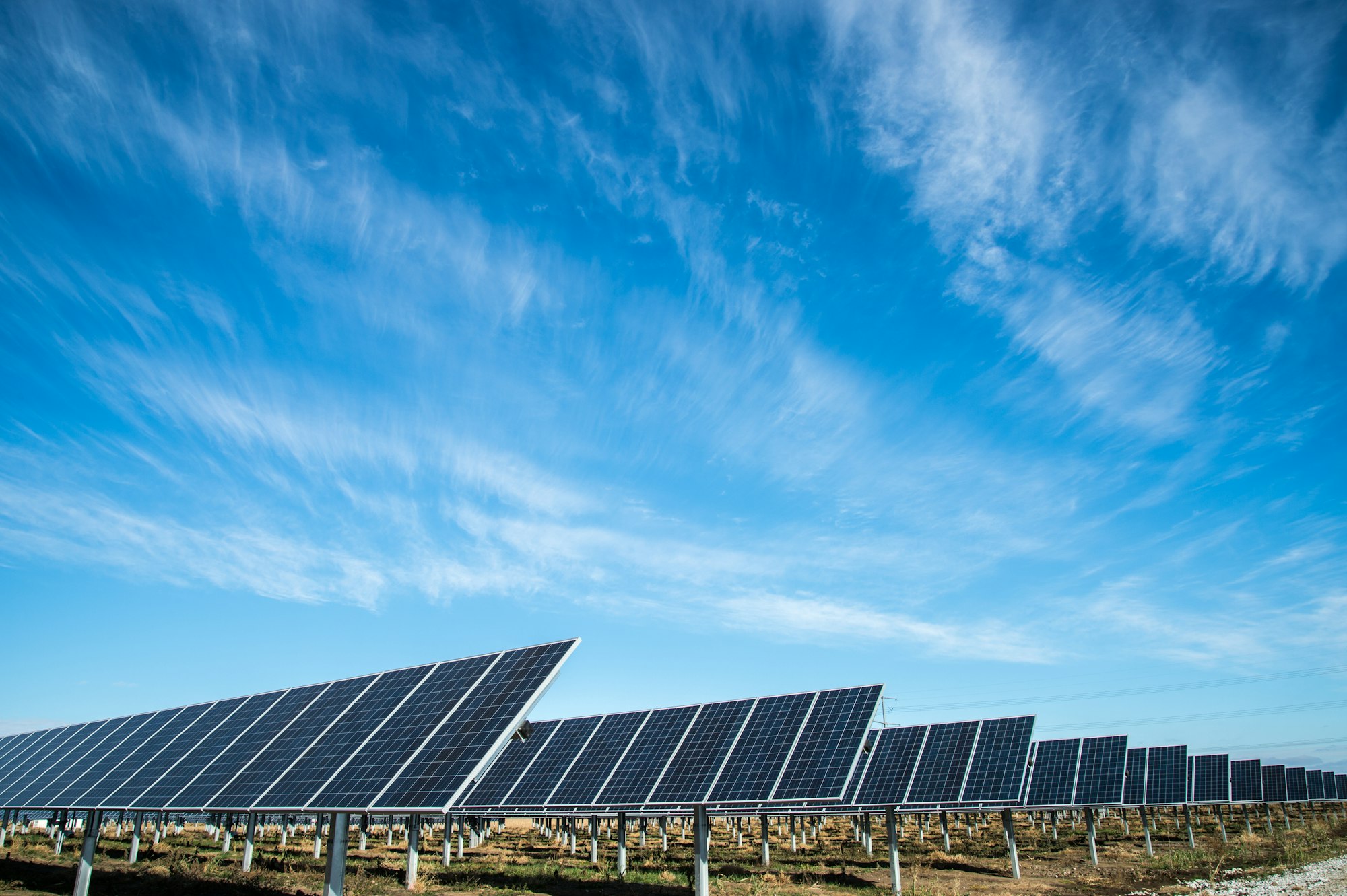
Rows of tilted solar panels under a wide skyIllustrative photo
04

Sites with a capped grid connection

The problem
The permit or the grid connection limits the area or the capacity that can be installed.
What SHAVAS brings
Output spread from morning to late in the day, rather than a midday peak.
The benefit
A better ratio between installed capacity and inverter capacity.
Ground-mounted solar plant at the foot of a building, at sunsetArtist’s impression
05

Ground-mounted solar plants on expensive or contested land

The problem
Land that is expensive, scarce or sought after for other uses.
What SHAVAS brings
The same output on a smaller footprint.
The benefit
Less land and less civil engineering for the same output.
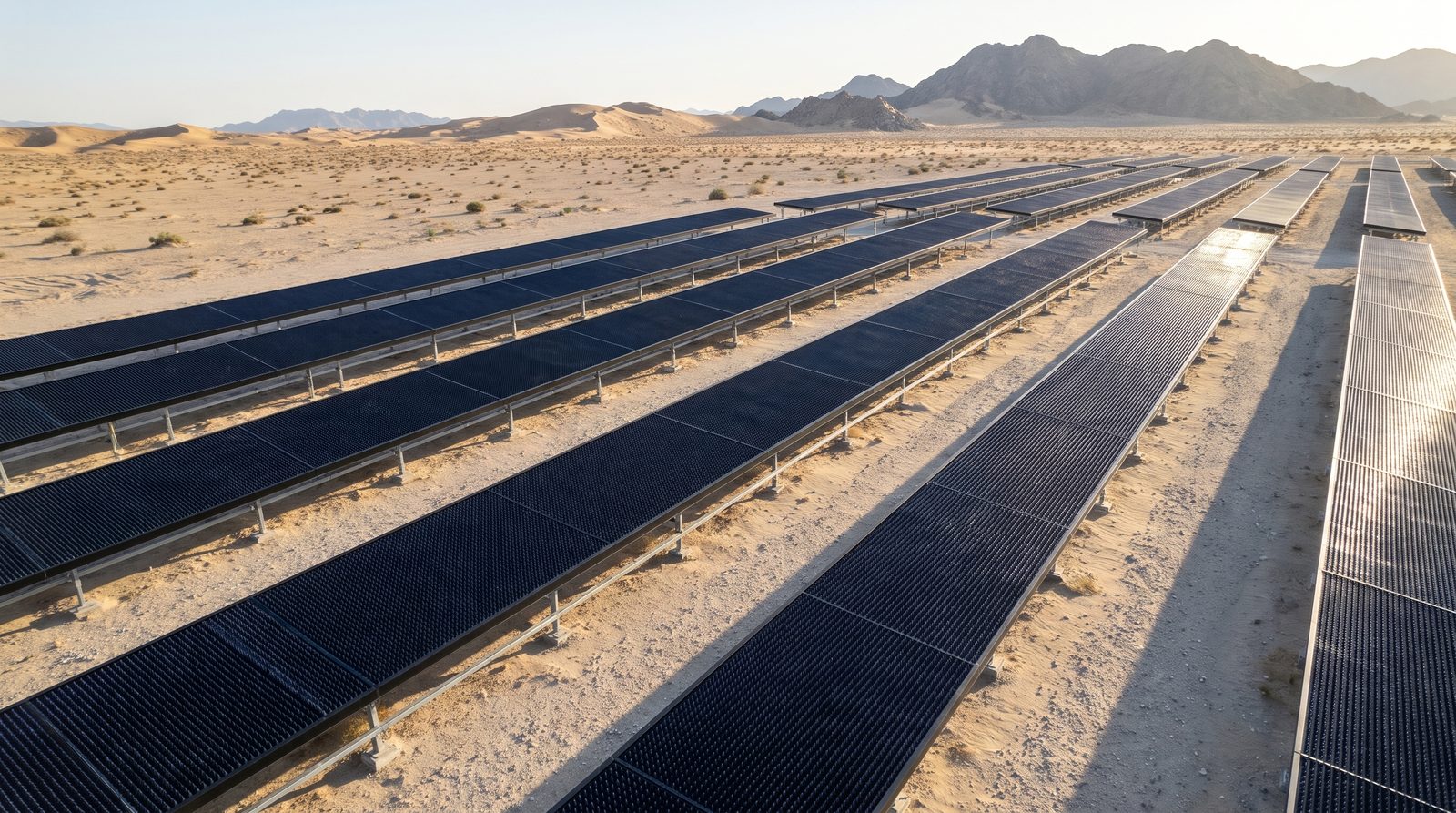
Ground-mounted solar plant in a desert: long rows of SHAVAS panels on a vast open siteArtist’s impression
06

Ground-mounted solar plants on abundant land

The problem
Land is not the constraint: mounting structures, cabling and operations weigh on the cost.
What SHAVAS brings
Fewer modules to install for the same output.
The benefit
Fewer mounting structures, less cabling and less operation, and a more compact construction site.
Snow-covered Nordic village and a field of solar panels in low sunNew marketsArtist’s impression
07

High latitudes and cloudy climates

The problem
Low sun and a high share of diffuse radiation, which penalize flat panels.
What SHAVAS brings
Maximum relative gain: 1.56 to 1.80 over the year in Oslo in simulation, 2.2 to 2.4 in January.
The benefit
Value in winter, when electricity demand is highest; regions where solar struggles to be profitable could become so.
Summary

Where the advantage is strongest

SegmentWhat drives the advantageIntensity
Industrial and agricultural rooftops, urban areas, islandsRevenue per square meter determines whether the project is feasible.Maximum
Ground-mounted solar plants on expensive, scarce or contested landLess land and less civil engineering for the same output.High
Ground-mounted solar plants on abundant landReduced civil engineering, cabling and operations for the same output.Moderate
All segments, at equal installed capacityA smaller footprint, a more compact construction site, faster commissioning.Cross-cutting
High latitudes and cloudy climatesThe highest relative gain, in winter, when demand is highest.New markets

Gain established by two third-party organizations, one through simulation, the other through measurement: 1.4 to 1.8 times the energy of a flat module, on the same ground footprint. The measurement consolidation prototype will refine this value.

Other uses, on smaller surfaces (housing, vehicles, street furniture, facades, boats), are avenues to explore; none of them has been measured to date.

Your project

Have a project? Let’s talk.

Developers, installers, landowners, local authorities and industrial companies can write to us directly. Technical and financial documentation is shared after signing a non-disclosure agreement (NDA).

Talk to the founder