01
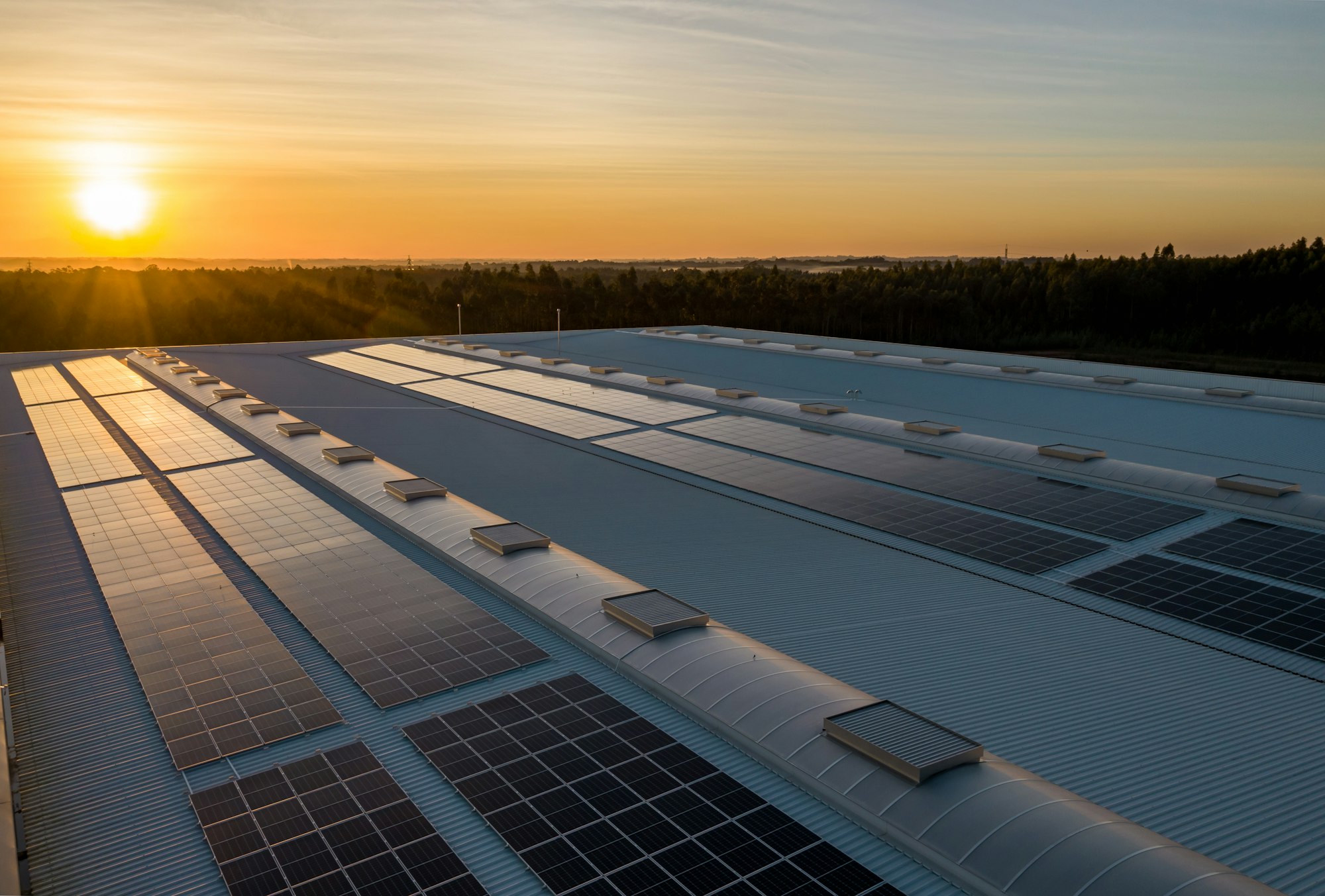
Industrial and agricultural rooftops, urban areas, islands
Revenue per square meter determines whether the project is feasible. This is where the advantage is greatest.
SHAVAS Technologies designs and protects a solar module with a three-dimensional relief, open to the sky, built to produce more energy on the same ground footprint.
Demonstration prototype. The industrial shape is being optimized, within the scope of the patent. See the module studied for series production
Patents granted
France, Europe, United States, South Africa
Applications filed, priority secured since December 2021
China, Japan, South Korea, India and ten other countries
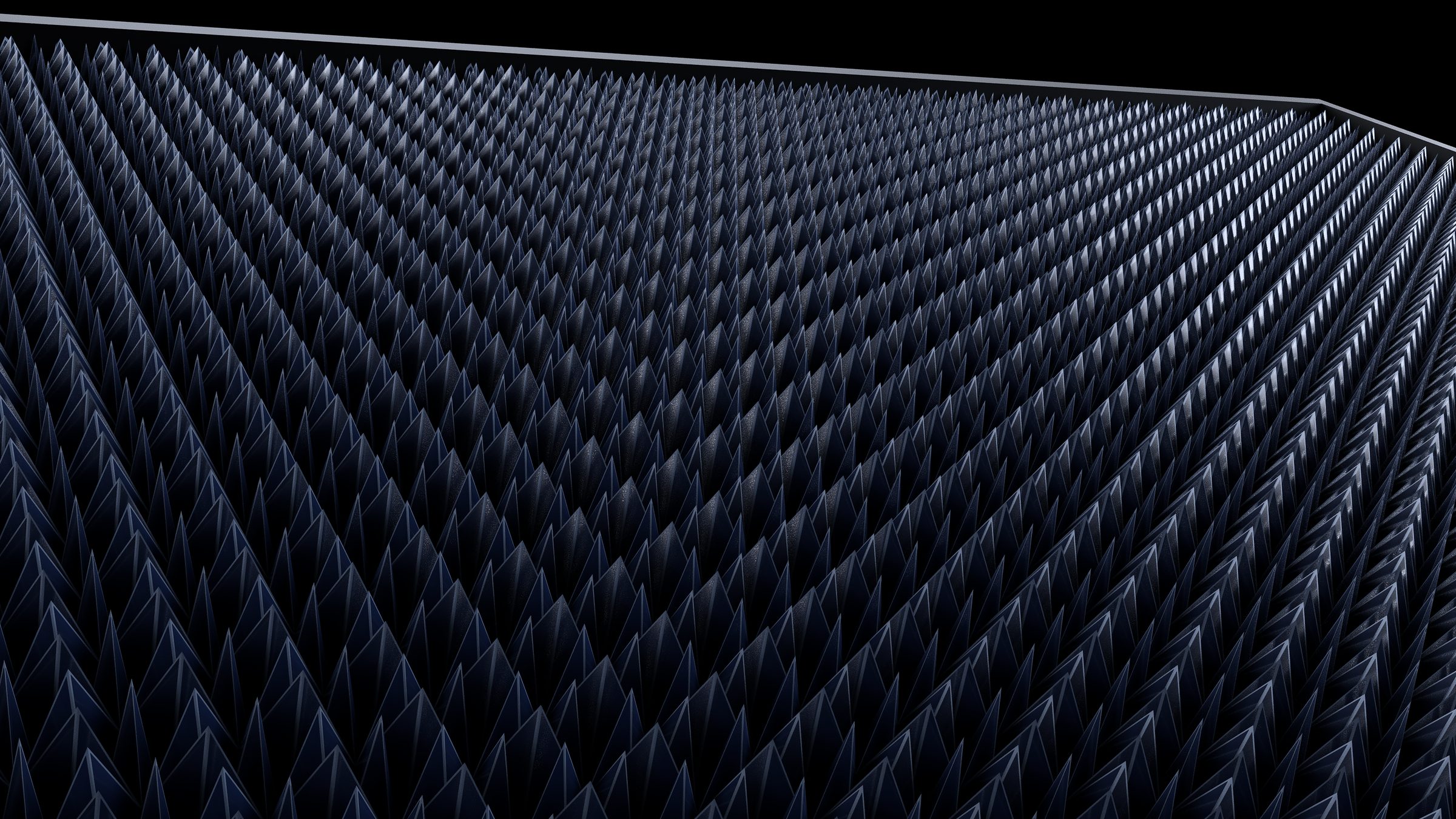
Non-binding visualization of SHAVAS modules
From the outset, research has focused on cell efficiency, gained one tenth of a point at a time. The geometry of the module, meanwhile, has remained flat.
SHAVAS changes the geometry. The module produces 1.4 to 1.8 times the energy of a reference flat module, on the same ground footprint.
That is a gain of 40 to 80%. By comparison, the efficiency of industrial cells improves by about 0.5 point per year.
Depending on the region, 36 to 51% of annual solar energy arrives as diffuse radiation, from every direction. A flat module presents only one face to it; the relief presents twelve.
This gain comes from the geometry, not the cell: it combines with every improvement in efficiency. Up to 1.8 times the output of a 23% cell today, up to 1.8 times that of a 30% cell tomorrow.
Relief alone is not enough: it takes the right shape and the right proportions. Within the thickness of a panel, as soon as you depart from them, the gain deteriorates. This geometry is patented.

Meet the founder
“That is the breakthrough. We no longer ask the cell to do better: we give it a better place in the sun. And this geometry applies to today’s cells as well as tomorrow’s.”

A conventional module presents a single flat surface to solar radiation. The SHAVAS module, with a hexagonal base, forms a crown open to the sky: six peaks around its edge and twelve flat active facets.
At low sun elevations (morning, evening, winter), some of the facets receive radiation at an angle of incidence close to normal.
Radiation enters through the opening and reaches the bottom of the relief; mutual shading between the facets remains limited.
The module captures direct and diffuse radiation alike, from morning until late in the day.
36 to 51% of the solar energy received at ground level. A flat panel presents only one face to it; the relief presents twelve.
The higher the share of diffuse radiation and the lower the sun, the greater the relative gain.

| Criterion | SHAVAS module | Flat panel |
|---|---|---|
| Active surface | Twelve facets per module | A single face |
| Active material on the same footprint | About five times more | The reference |
| Radiation harnessed | Direct, diffuse and reflected by the ground, on twelve faces | Direct and diffuse, on one face |
| Diffuse radiation captured (simulation) | 1.7 to 2 times | 1 |
| Output over the day | Spread from morning to evening | Bell-shaped, centered on midday |
| Annual energy on the same footprint | 1.4 to 1.8 times | 1 |
| Relative gain in winter, high latitudes (simulation) | 2.2 to 2.4 | 1 |
| Appearance of the finished panel | Identical to a conventional panel | Conventional |
Mechanisms documented by the simulation and optics studies provided in the data room.
Explore the technologyOn the same ground footprint: the output of an array of flat panels, and that of the same array in SHAVAS panels.
Factory roof: about 2,500 m² of panels.
Order of magnitude, non-binding, on the same ground footprint. SHAVAS gain: the established range of 1.4 to 1.8 times, applied to each month; the measurement consolidation prototype will refine its value. Detailed laboratory results in the data room.
Flat-panel production is calculated by PVGIS for an optimal tilt. The SHAVAS gain was established against a horizontal flat panel; its value against a tilted panel will be specified by the measurement campaign.
A module with a three-dimensional relief carries more active surface: its cost is higher. For an energy producer, however, the decision criterion is the cost per kilowatt-hour produced, not the price of the module.
Module cost with silicon cells (estimate, to be confirmed by quotes).
Plant investment: modules account for about one third of it. Land, structures, cabling and grid connection change little on the same footprint.
Energy produced, at the top of the established range.
The break-even point is at a gain of 1.5. Below it, the kilowatt-hour is slightly more expensive with silicon; above it, each tenth of gain lowers its cost.
Cost per kilowatt-hour of a ground-mounted solar plant by production gain. Estimate based on a panel cost premium of 2.3 times with silicon cells, to be confirmed by quotes.
Perovskite, whose active material costs 50 to 75% less, lowers this threshold. With the cost premium targeted by the engineering firm for this technology, the same model gives up to a 25% reduction in the cost per kilowatt-hour. Detailed assumptions and calculations in the data room.
Request access to the data roomNon-binding visualization of the SHAVAS panel
The technology is covered by three international patents and one national patent, held by SHAVAS Technologies. The founding patent application was filed in 2021; the patent has been granted in France, in Europe with unitary effect, in the United States and in South Africa. Applications have been filed in fourteen other countries, foremost among them China, Japan, South Korea and India, where the grant procedure is under way.
Revenue per square meter determines whether the project is feasible. This is where the advantage is greatest.
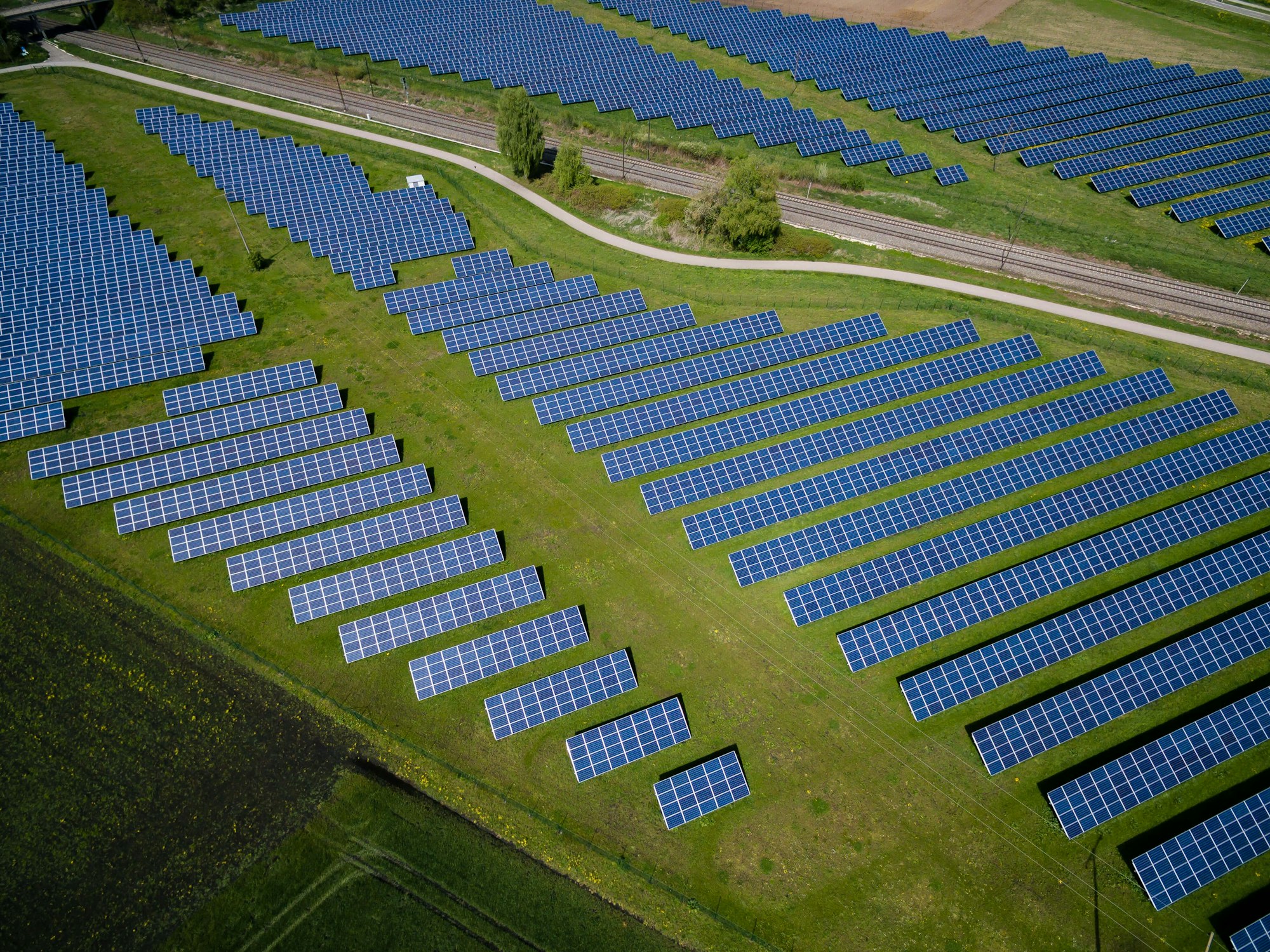
Less land and less civil engineering for the same output.
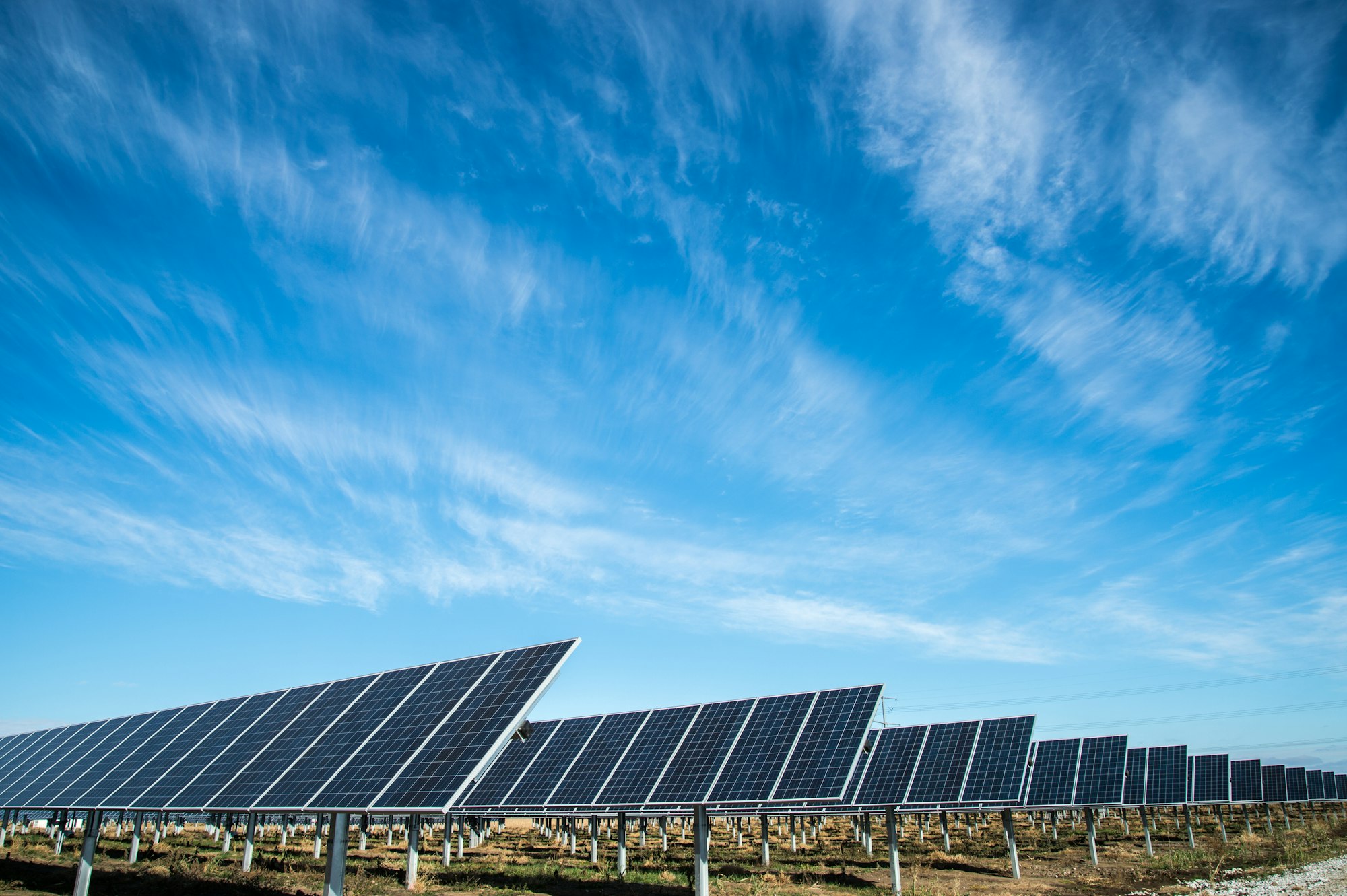
Reduced civil engineering, cabling and operations for the same output.
A smaller footprint, a more compact construction site, faster commissioning.

High latitudes, cloudy climates, long winters: the share of diffuse radiation is high and the sun is low, two conditions that maximize the relative gain. In the simulations, the northernmost site is the one where the annual gain is highest, from 1.56 to 1.80, and there it reaches 2.2 to 2.4 in January.
Regions where solar power struggles to be profitable today could thus become profitable, all the more so as the relative gain there is greatest in winter, when electricity demand is highest. SHAVAS does not only target existing markets: it can open new ones.
Source: SolarPower Europe, Global Market Outlook for Solar Power 2026-2030.
 Report on TF1Watch the video
 Interview on BFM BusinessWatch the video
Artist’s impression
The next step is not a distant promise: it is a measurement, entrusted to independent laboratories under protocols set in advance. Its first results are expected in early 2027.
Whether you are looking to take a license, to acquire the technology as a whole or to support it, here is what you will find at SHAVAS, and what can be verified document by document in the data room.
For seventy years, the industry has been improving the cell, by about 0.5 efficiency point per year. SHAVAS changes the geometry of the module, not the chemistry of the cell: a lever not yet exploited at industrial scale.
An annual gain of 1.4 to 1.8 times the energy of a flat module, on the same ground footprint, established by simulation and by measurement, by two independent organizations. In simulation, it reaches 2.2 to 2.4 in winter at high latitudes. What has been established and what remains to be demonstrated are set out in black and white.
The panel costs more, the electricity less. As soon as the gain exceeds 1.5, the cost per kilowatt-hour falls below that of a conventional plant, and each additional tenth of gain widens the gap. At a gain of 1.8, the saving reaches 17% with silicon cells; with perovskite, at the costs targeted by the engineering firm, it reaches 25%. And the sector is still in its early days: its costs are set to fall further with industrialization.
A geometry compatible with silicon and perovskite alike, and with the tandem cells that will combine them. SHAVAS does not compete with advances in the cell: it multiplies them. With cells at 30% efficiency instead of 23% today, the same gain would deliver 1.8 to 2.3 times the energy of a current flat panel.
Outside the SHAVAS proportions, the gain deteriorates. This geometry is covered by four patent families. The founding patent has been granted in Europe and the United States, with applications filed in Asia and priority secured since 2021. It protects the shape; three additional families protect the module’s support, its circuit and its manufacturing process. No opposition to date.
A finished panel in a standard format, and a licensing model with no factory of its own. In our plan, the first license sold covers the company’s operating costs until the pilot line is commissioned and the first series production is launched; the pilot line itself will be covered by dedicated financing, currently being structured. The financing plan is presented in the data room.
The next step is not a distant promise: it is a measurement, entrusted to independent laboratories under protocols set in advance. Its first results are expected in early 2027. The company will then have its technology revalued on that basis.
Forty-three shareholders, mostly business leaders, engineers and finance and intellectual property professionals, aged from 25 to over 70; interest expressed by industrial companies and investors from three regions of the world, two letters of intent, and discussions under way with public authorities.
You are joining a company that owns all of its intellectual property, whose model is based on licensing, and whose next step is a dated measurement carried out by third parties.
Investor areaYou will find a complete patent portfolio, held in a single company, audited and free of any opposition, and eight years of research that a license or an acquisition spares you from repeating.
Request access to the data room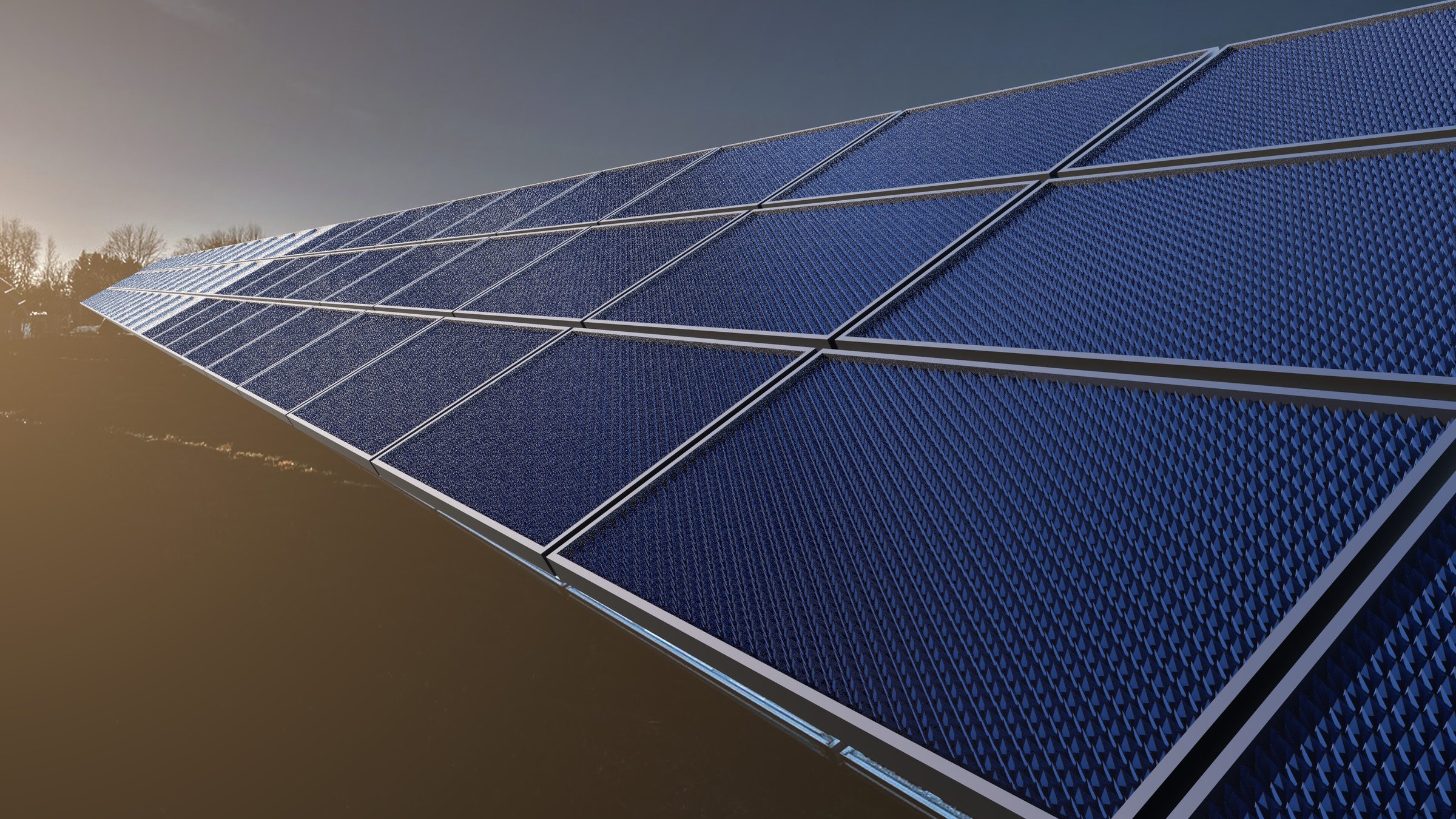
Investors, industrial companies and laboratories can write to us directly. Technical and financial documentation is provided after signing a non-disclosure agreement (NDA).
Your contact: Sylvain Gauthier, President of SHAVAS Technologies.
Talk to the founderYou write to us, stating your profile: investor, industrial company or institution.
We get to know each other and answer your initial questions.
Following this call, we send you a concise presentation of the project.
If you wish to go further, signing a non-disclosure agreement gives you access to the reports, patents and studies on which this website is based.
We arrange a meeting with the technical team and, by appointment, a presentation of the prototype.